

Case Studies
Challenge 1 – SLOW FOOD - TRIBORDER TOURISM
BACKGROUND INFO
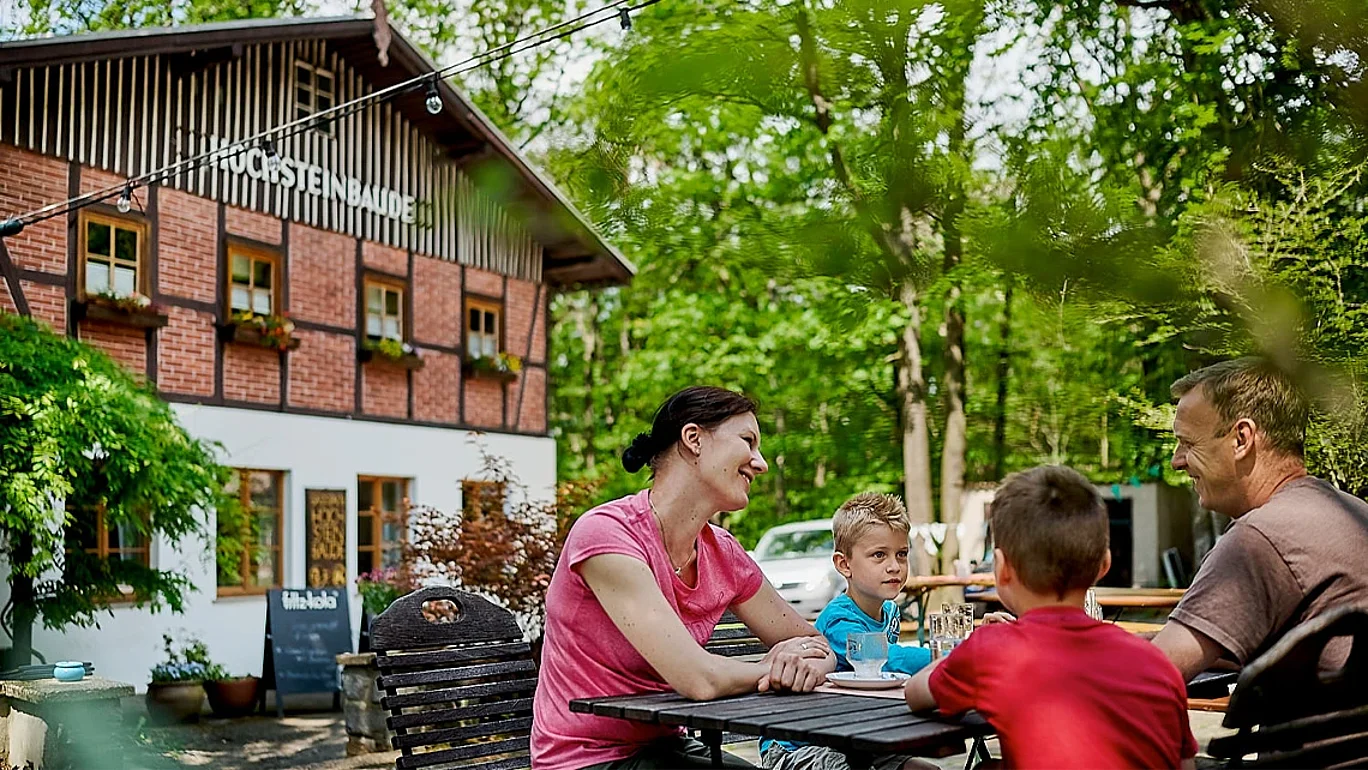
- The aim is to support a slow, sustainable tourism approach with a focus on regional food products and regional value creation in the Nisa/Nysa/Neisse Euroregion
- Culinary products in the Nisa Euroregion are of very good, internationally competitive quality
- The touristic potential lies not only in the food itself, but also in the stories of local people, the landscapes, traditions, seasonality and the opportunity to discover three countries in a single journey, that are culturally, historically and culinarily strongly connected
PROBLEM DESCRIPTION
- There is a deficiency in marketing regional culinary products in the triborder / Nisa region
- There is no strong, cross-border network between the producers of culinary products yet
- There is not much cross-border tourism involving culinarics
- There is no strong, joint strategy to market culinary products in the Nisa Euroregion while the quality of the products is excellent
TASK DEFINITION
Develop a feasible concept that combines communication, concrete cross-border products or activities, the involvement of local actors and a realistic model for continuation. The aim is to make the region’s culinary identity attractive to people living in or near the Czech–Polish–German border area and inspire them to explore neighbouring communities through slow, sustainable tourism.
Key question: How can we turn local flavours, producers and culinary traditions into a shared cross-border story that visitors will understand, find attractive and be inspired to follow across the Nisa/Nysa/Neisse Euroregion? How can we support local producers to implement their joint marketing and business activities in a sustainable way?
- Are there any practical examples (e.g. regional culinary consortiums) in other countries that could inspire a Polish-Czech-German concept of cooperation?
- Are there other projects that already started researching on this topic? What do they suggest?
- e.g. the project "Discovering Place through Taste" (TU Liberec)
PRACTICAL IMPLEMENTATION
Please consider the following three, interconnected dimensions:
- A common culinary identity / narrative – What connects the Czech, Polish and German parts of the region from the culinary perspective? Which products, traditions, stories, landscapes and experiences could form a recognisable cross-border culinary identity?
- Cooperation between producers and tourism stakeholders – What kind of network or cooperation model would make joint marketing realistic and sustainable? It could involve producers, restaurants, tourism organisations, local authorities and cultural institutions.
- A specific visitor experience – Apart from promoting individual products, you could think about how these products could become part of an actual tourism experience, for example a cross-border culinary route, thematic weekends, producer visits, events, storytelling tools or a common digital platform.
The proposed solution should have a genuine cross-border dimension: ideally, it should create added value that could not be achieved through three separate national approaches
You don’t necessarily have to create a completely new common brand. You could also explore how existing regional brands, tourism products, initiatives and networks could be connected under a common cross-border concept.
Please propose a small-scale pilot that could realistically be tested before developing the concept for the whole region
Also think about: how could the project be developed in the long term - how could cooperation between producers, tourism organisations and other partners work and be sustained in practice after the initial activities?
ASSOCIATED PARTNERS
- HSZG/ENO-Project “Slow Life”
- ARR Nisa
- Ein Korb voll Glück
GOOD LUCK AND HAVE FUN!!
Data Sources on the Liberec Region by topic
Liberec Region Data Portal – https://www.datalk.cz/
1. Slow Food and Tourism in the Tri-Border Region – regional food products, culinary traditions, slow tourism and joint cross-border promotion.
Open dataset: Regional Producers of the Liberec Region
Statistics on the territory and population of the Liberec Region
Regional Products and Local Producers
- Liberec Region for Itself Project – Liberecký kraj sobě
- Jizera Mountains Regional Product – Regionální produkt Jizerské hory
- Bohemian Paradise Regional Product – Regionální produkt Českého ráje
- Krkonoše Mountains Regional Product – Regionální produkt Krkonoše
- Lusatian Mountains and Mácha Region Regional Product – Regionální produkt Lužické hory a Máchův kraj
- Liberec Region Product of the Year – Výrobek roku Libereckého kraje
- Regional Food – Nationwide Certification Programme – Regionální potravina
Cross-Border Tourism
- District Chamber of Commerce – Cross-Border Explorer's Diary – Deník objevitele příhraničí
- EU funded project “In the Footsteps of Regional Production and Traditions in the Polish-Czech Region of the Jelenia Góra Valley, Jizera Mountains and Krkonoše Mountains” –Za řemeslem
2. Cross-Border Energy Communities – local and community energy, renewable sources, secure energy supply and fair prices.
Technical infrastructure statistics for the Liberec Region, including energy
Statistics on the territory and population of the Liberec Region
External source: Map of Energy Communities
3. Taking the Future into Our Own Hands / One Voice for the Tri-Border Region – engaging young people in shaping the region’s future and fostering cooperation across languages and cultures.
Education statistics for the Liberec Region, including the young population
Statistics on secondary school graduates by field-of-study group and individual field
Statistics on the territory and population of the Liberec Region
Age structure of the population
Analysis of Requirements and Opportunities for Young Job Seekers (including links to full Czech and German versions)
4. Bogatynia and Its Neighbours: What Comes After Coal? – opportunities for further regional development during the gradual phase-out of coal mining, including related challenges and opportunities.
Statistics on protected areas and their size
Statistics on the territory and population of the Liberec Region
Population and area of municipalities in the Liberec Region (second thematic map)
Population and area of districts and municipalities with extended powers
Challenge 2: CROSSBORDER ENERGY COMMUNITIES
BACKGROUND INFO
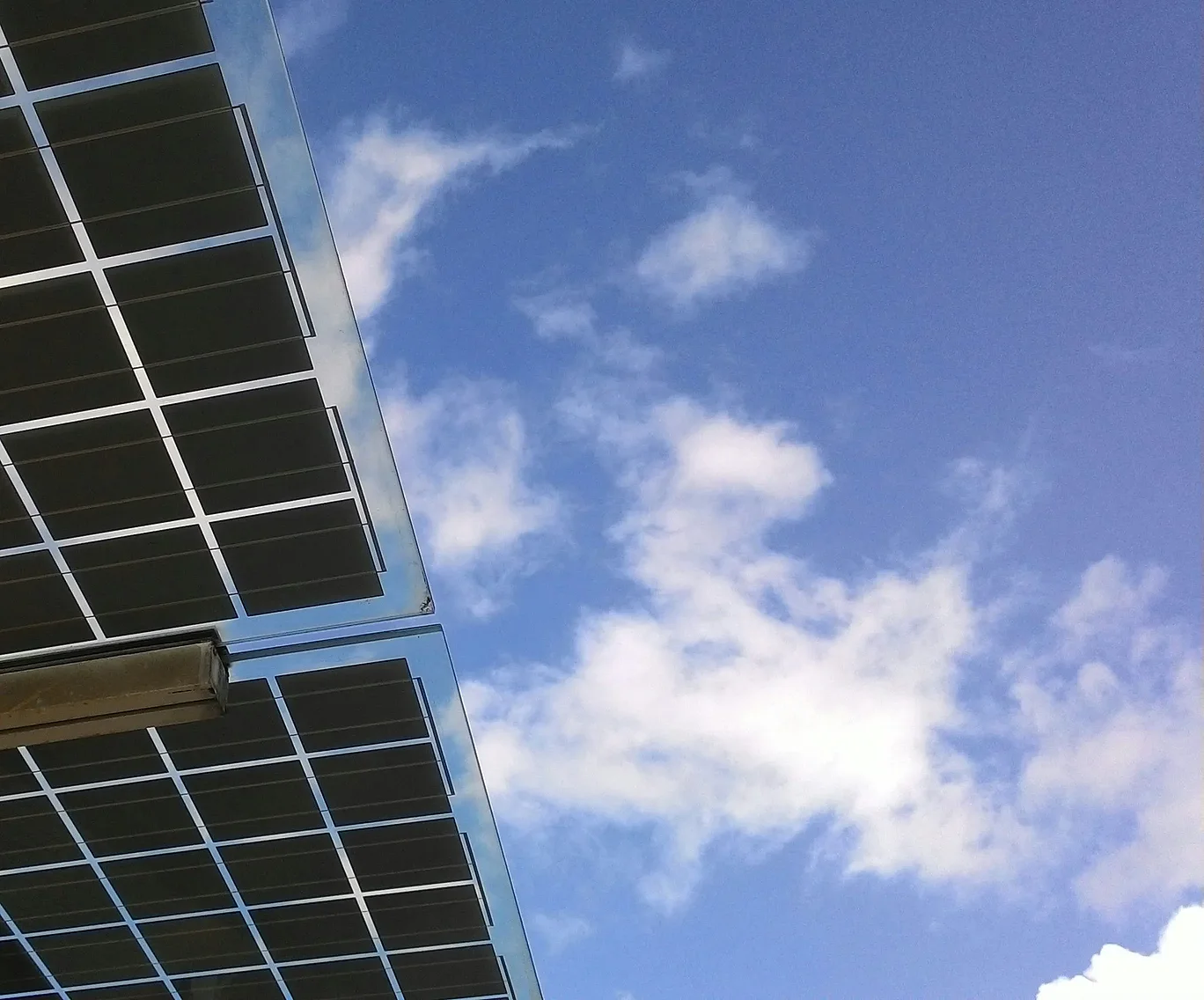
- Energy communities enable decentralized energy supply
- Decentralized energy supply means greater independence, security, and regional economic growth ⟶ lower energy prices
- Why should state borders limit energy transmission? Energy surpluses and energy needs are often closer than one might think.
- Flagship projects in the region (United Heat)
- Communication with residents and dispelling myths: The human factor is usually the biggest challenge. Cross-sector collaboration and creating joint projects often face social resistance or myths.
PROBLEM DESCRIPTION
- Who participates in an energy community (whether based on a cooperative model or another business structure)? Are potential prosumers aware of the benefits of a shared operator model?
- Are all obstacles known and thoroughly considered? Do we understand the economic requirements? What legal frameworks and regulatory obstacles must be taken into account (especially when planning across borders)?
- How can benefits that cannot be immediately quantified in monetary terms be communicated? (Security of supply, climate protection, sense of belonging, independence)
- The concept of energy communities (Germany/Poland) – different dimensions
TASK DEFINITION
- How do I implement a local heating network using a community-based operating model that involves as many stakeholders as possible? Cross-border and using renewable energy sources.
- Which stakeholder groups must be taken into account here?
- Develop ideas on how to effectively communicate with the local community, educate potential prosumers, and address their concerns.
- Draw on existing pilot projects, best-practice examples, and the experiences of other energy community projects.
- Legal barriers: These are undoubtedly the most significant obstacles. We recommend to strongly emphasize navigating the legislative and regulatory barriers, especially regarding cross-border planning.
- Try your hand at an interactive visualization (sandbox) OR develop a concept for a specific, well-defined energy community in the border region.
SIMILAR PROJECTS- GET INSPIRED!
- https://energycommunityplatform.eu/
- Citizen participation enshrined in law: Renewable Energy Directive II (2018): REC, Internal Electricity Market Directive (2019): CEC (citizen energy community)
- https://www.hszg.de/news/planspiel-kommunale-waermeplanung-saxony5-unterstuetzt-energiebotschafter-im-landkreis-goerlitz
- https://stadtwerke-zittau.de/netz/waermenetz/fernwaermenetz-zittau/
ASSOCIATED PARTNERS
- HSZG
- ENO
- Storie
- Stadtwerke Zittau,
GOOD LUCK AND HAVE FUN!!
IDEATHON - CROSSBORDER CHALLENGE BOGATYNIA 2026
Challenge 3: ONE VOICE FOR THE TRIBORDER-REGION
BACKGROUND INFO
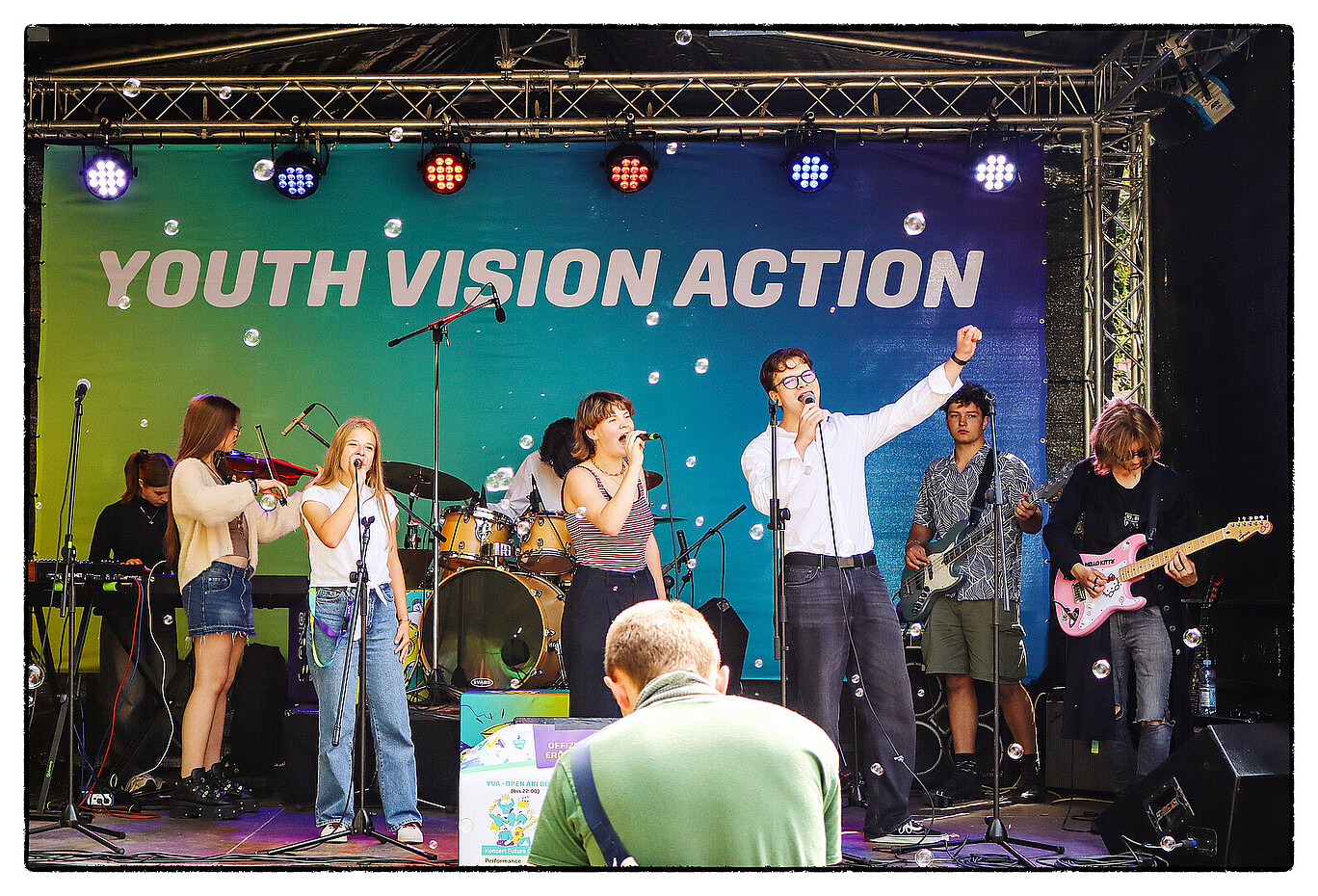
The Triborder-Region - Northern Bohemia, Upper Lusatia, and Lower Silesia -brings young people together across three countries, languages, and cultures. Here, they learn, study, work, celebrate, travel, make music, play sports, and get involved in their region. But where can young people find stories, information, and inspiration about what matters to other young people in the Triborder-Region? What topics really interest them? And what would a media platform look like that isn’t just made for young people, but by young people themselves?
PROBLEM DESCRIPTION
- What do we really know about our neighbors? What’s happening on the other side of the Neisse and Mandau rivers? News, events, or even success stories - things worth knowing but not widely reported
- Something like a shared voice among Czech, Polish, and German young people - is there such a thing?
TASK DEFINITION
Develop a concept for a cross-border youth editorial team in the tri-border region. Consider what a media outlet might look like that brings together young people from Germany, the Czech Republic, and Poland, gives them a voice of their own, and inspires them to explore neighboring regions.
In doing so, you can address the following questions, for example:
- What interests young people?
- What would be the right medium?
- What could the youth editorial team be called?
- How would the editorial team work?
- What language would the editorial team use?
- What makes this medium special?
- What would a specific piece look like?
Would it be, for example, a reel, a podcast, or a feature story? The result should be a concrete and feasible concept for a youth editorial team in the tri-border region.
SIMILAR PROJECTS- GET INSPIRED!
- Youth Vision Action https://yva.rocks/
- 3mag https://3mag.eu/de 3mag - Events, Magazine & Region | Euroregion Neisse
ASSOCIATED PARTNERS
- 3mag
- HSZG
- Euroregion
- ARR
- lanterna futuri
- Hillersche Villa
GOOD LUCK AND HAVE FUN!!
Challenge 4: BOGATYNIA & NEIGHBOURS: WHAT COMES AFTER COAL?
BACKGROUND INFO
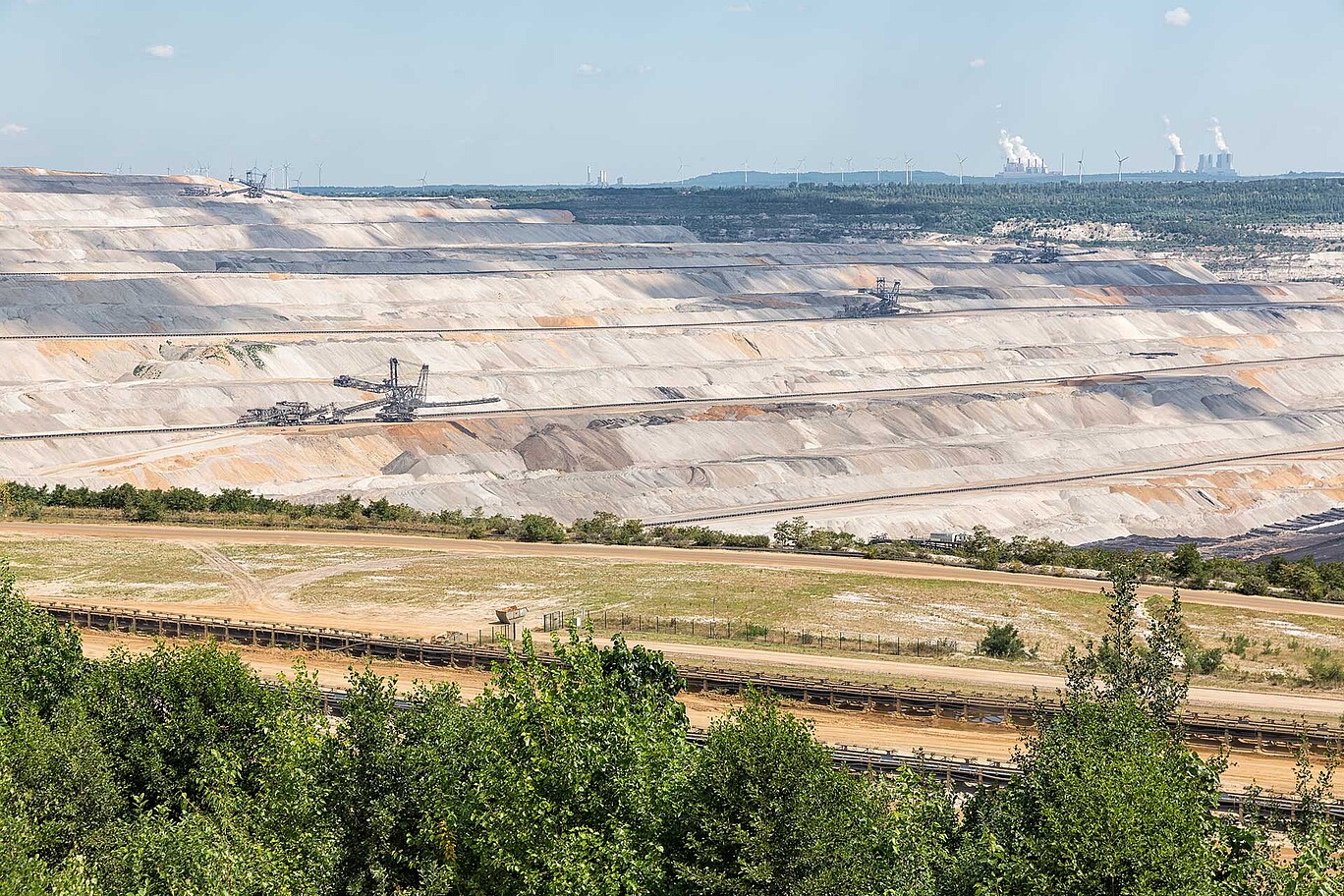
- Bogatynia has a population of 22,000 and is located in the far southwest of Poland. It features beautiful half-timbered architecture, and residents appreciate their town for its recreational facilities.
- Turów coal-fired power plant with open-pit mine (PGE): covers about 7–8% of Poland’s electricity demand. In 2021, the Czech Republic filed a lawsuit against PGE before the European Court of Justice for violating several directives.
- In 2022, the two neighboring countries reached an out-of-court settlement: 45 million euros in compensation to the Czech Republic for damage caused by coal mining (lowering of the groundwater level in neighboring Czech Republic, geological instability beneath Zittau)
- “Trialog in the Tri-border Region”; here, a discussion process was initiated and further developed to ensure a just transition for the tri-border region comprising the city network “Kleines Dreieck – Bogatynia – Hrádek nad Nisou – Zittau.” Current sentiments were assessed, and a shared vision for the Tri-Border Region in the post-coal era was subsequently developed through a cross-border exchange of proposals, thoughts, and ideas.
- The transformation into a decarbonized energy region began 40 years ago. At that time, 20,000 people worked in the coal sector. Today, that number stands at 3,500. PGE plans to continue mining until 2044. However, there are efforts to halt mining before then.
- In the neighboring village of Opolno Zdrój, some residents have already been relocated to allow for coal mining beneath the village. Until 1957, the village served as a health resort due to its unique healing springs, and as a result, it boasts a distinctive history and architecture.
- The average age at PGE is around 50. Younger people currently work primarily for employers in neighboring countries.
- According to those affected, however, the population around Bogatynia is (in part) still affected by a lack of prospects
PROBLEM DESCRIPTION
- Little awareness of the geological, ecological, and economic drawbacks associated with coal mining
- Residents of the Czech Republic, Poland, and Germany have differing perspectives on the issue; in some cases, there is insufficient understanding of their neighbors’ viewpoints
- Energy security, groundwater supply, and geological stability are of fundamental importance to parts of the population and, in some cases, can no longer be reliably guaranteed
- The perceived lack of prospects among the population with regard to employment and a livable environment for young people
TASK DEFINITION
- Raising public awareness of the issue
- Promoting understanding of the perspectives and situations of neighboring countries (Czech Republic toward Poland, Poland toward the Czech Republic, Germany toward Poland, etc.)
- Developing an agenda and a (phased) action plan for various areas of action that take economic, social, and environmental considerations into account
- Highlighting (and explaining) the geological, ecological, economic, and cultural consequences and impacts of open-pit mining and the continued extraction of coal on the immediate region
- Uplifting activities, educational programs, cultural activities and civil society and community initiatives that maintain or improve quality of life and empower the region’s residents to advocate for their own region.
SIMILAR PROJECTS- GET INSPIRED!
- Trialog: https://zittau.de/unsere-stadt/staedteverbund-kleines-dreieck/trialog-im-dreilaendereck
- “How to bury a hole” (Dokumentarfilm von Piotr Jasinski (in Arbeit)
- “Everything is fine, potatoes in line” (Kurzfilm von Piotr Jasinski)
- Triland Aktuelles – Triland(Interreg-Projekt Triland)
- Podcast: Neue Energie für die Region: Wie sieht Albert Gryszczuk die Zukunft von Turów ohne Kohle? – Triland
ASSOCIATED PARTNERS
- Trialog
- Stadt Zittau
- Stadt Bogatynia
GOOD LUCK AND HAVE FUN!!